Secure Equipment Destruction
Physical destruction for IT and electronic equipment that must never be reused, resold or re-enter the market.
Overview
When IT equipment, technology or products must never be reused, resold or re-enter the market, physical destruction provides the highest level of certainty. 3R Technology Global can shred and physically destroy complete IT and electronic equipment, ensuring the original product is permanently removed from circulation. Unlike solutions that simply wipe or remove data, physical destruction means the equipment itself is destroyed — once processed through our secure destruction operation, it cannot be returned to service, resold or placed back into the market as a complete product.
Key Features
- ✓Complete physical destruction of equipment, not just data wiping
- ✓Confirms the product itself can never be reused, resold or re-enter the market
- ✓Full chain of custody and Certificate of Destruction for every consignment
- ✓WEEE- and EPA-compliant processing across UK and US facilities
- ✓Materials recovered post-destruction — metals, plastics and other resources
Note: For equipment containing sensitive data, we recommend data sanitisation is completed by your organisation or a data destruction specialist prior to transfer. Physical destruction of the complete unit then provides an additional layer of assurance that the device itself cannot be reconstituted or reused.
What We Accept
Equipment we physically destroy
- ✓IT hardware — laptops, computers, servers, networking equipment
- ✓Data-bearing media — hard drives and SSDs
- ✓Mobile devices — phones and tablets
- ✓Components, assemblies and electronic peripherals
- ✓Returned, recalled, obsolete or commercially sensitive products
Who We Serve
Who we work with
Manufacturers & OEMs
Guaranteed destruction of pre-production units, recalled products or discontinued lines that must never reach the market.
Retailers & brand owners
Protecting brand integrity by ensuring returned, damaged or discontinued stock cannot be resold through unauthorised channels.
Corporates & enterprises
Destruction of confidential prototypes, commercially sensitive equipment and end-of-life IT assets, where deletion of data alone isn't enough.
ITAD & data destruction specialists
When your client requires proof that a specific device was destroyed — not just recycled — we provide the physical destruction and certification to back that up.
Warranty & recall handlers
Certified destruction of returned units as part of a warranty, recall or counterfeit-prevention programme.
Why 3R Technology Global
Why organisations choose 3R Technology Global
Certainty, not just compliance
Physical destruction removes the product itself from circulation — not just the data it holds.
Full chain of custody
Every consignment is tracked from receipt through to final destruction, with tamper-evident handling at every stage.
Compliant processing
WEEE- and EPA-compliant destruction and recycling across our UK and US facilities.
Responsible recovery
Materials are recovered after destruction — metals, plastics and other resources — rather than sent to landfill or incineration.
How It Works
Secure Equipment Destruction process
Step 01
Collection & handover
We collect equipment from your operation, or you deliver directly to one of our facilities.
Step 02
Secure intake & verification
Equipment is logged, tracked and verified against your consignment record under full chain of custody.
Step 03
Physical destruction
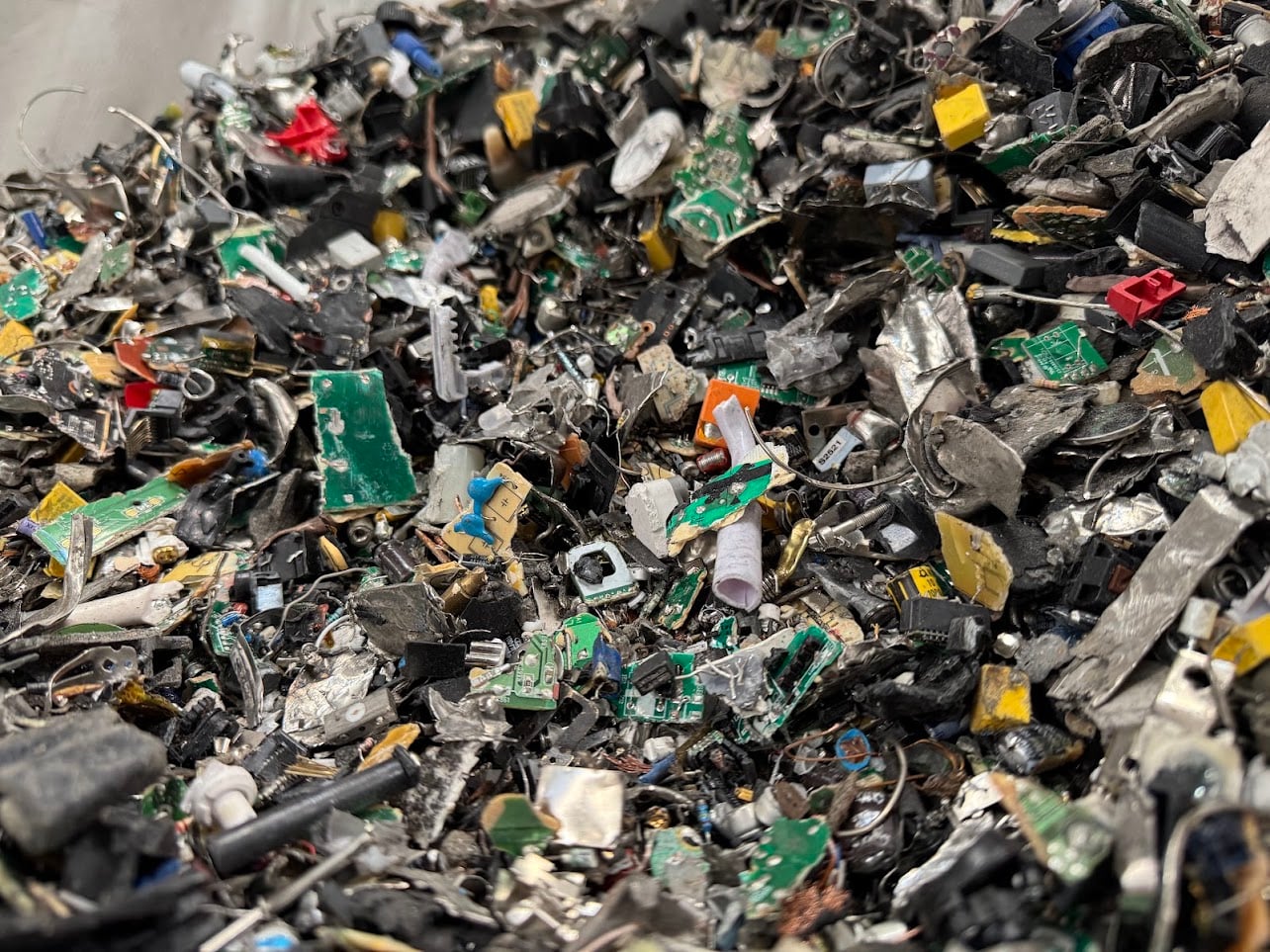
Equipment is shredded and rendered permanently unusable — the product itself, not just its data, is destroyed.
Step 04
Material recovery
Destroyed material is sorted and processed for the recovery of metals, plastics and other valuable resources.
Step 05
Reporting & certification
Receive a Certificate of Destruction and chain-of-custody records confirming the equipment was destroyed and can never re-enter the market.
Frequently Asked Questions
Secure Equipment Destruction FAQs
What's the difference between secure destruction and standard recycling?+
Standard recycling processes equipment for material recovery. Secure destruction adds a specific guarantee: the complete product is physically destroyed first, so it can never be reused, resold or returned to the market — with materials still recovered afterwards.
What's the difference between this and your ITAD Recycling Partner service?+
ITAD Recycling Partner is downstream material recovery for equipment your ITAD process has already assessed as non-remarketable. Secure Destruction is for cases where you or your client need certified proof that a specific product was physically destroyed — not simply recycled.
Do you handle data sanitisation or issue data destruction certificates?+
We recommend data sanitisation is completed by your organisation or a data destruction specialist before equipment is transferred to us. Our service focuses on physically destroying the equipment itself; we do not currently issue data destruction certificates.
What documentation do we receive?+
A Certificate of Destruction and full chain-of-custody records for every consignment.
What happens to the equipment after destruction?+
Destroyed material is processed through our AI-driven sorting for the recovery of metals, plastics and other resources — supporting landfill diversion.
Which regions do you operate in?+
UK (Preston, Swindon, expanding to Oxfordshire) and USA (Riverbank, California, expanding to Janesville, Wisconsin).
Partner With Us
Tell us about the equipment you need securely destroyed and we'll be in touch within 1–2 business days.
Other Services
Plastic Recovery
Recovering high-grade plastics from e-waste at 75%+ efficiency using AI-driven sorting.
Precious Metal Recovery
Reclaiming gold, silver, copper, and rare earth metals from e-waste at up to 99% recovery.
AI Robotic Sorting
Hermion proprietary AI and humanoid automation systems for high-speed, high-accuracy material separation.
Low-Grade E-Scrap & SDA WEEE
Responsible recovery routes for low-grade e-scrap and Small Household Appliance (SDA) WEEE across our UK and US facilities.
ITAD Recycling Partner
The trusted downstream recycling partner for IT Asset Disposition (ITAD) providers — we recover maximum value from non-remarketable end-of-life IT equipment.